Dr. Zsolt Szövérfi PhD
Most spine problems do not require surgery.
Around 90% of my patients recover with non-surgical treatment — targeted CT-guided injections, infusion therapy, and personalised physiotherapy. When surgery is needed, I prefer minimally invasive techniques.
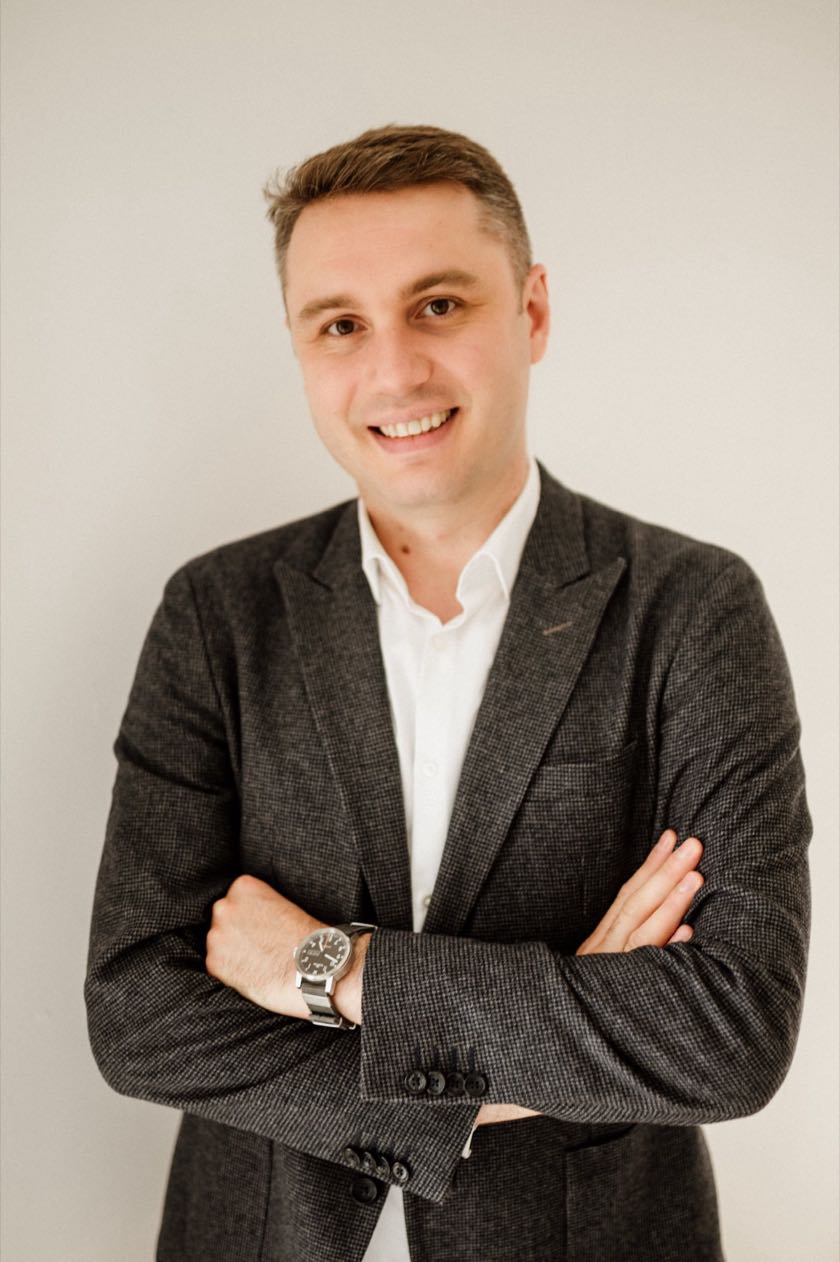
Precise diagnosis, non-surgical first
Over the years I have performed more than 1,200 spine surgeries and spent more than 10,000 hours in the operating theatre — both as primary surgeon and as assistant. Along the way I have also learned when it is better NOT to operate: for most patients, lasting results can be achieved with non-surgical treatment.
The precise diagnosis comes first
Finding the source of the pain matters more than treating it quickly. Detailed MRI analysis, physical examination, and additional imaging if needed — the treatment decision comes only after.
Non-surgical treatment first
CT-guided injections, infusion therapy, targeted physiotherapy. Most spine problems can be managed without surgery, in an outpatient setting — and for around 90% of patients, this is sufficient.
Surgery only when justified
When surgery is needed, I choose minimally invasive techniques — smaller incisions, faster recovery. If you have received a surgical recommendation elsewhere, it is worth hearing an independent opinion.
What I do
Spine pain treatment is not one-size-fits-all — every patient is different, and every diagnosis requires its own treatment path. The areas below form the core of my practice.
Pain relief without surgery
Medication, CT-guided nerve root and facet joint blocks, infusion therapy, targeted physiotherapy. Most spine pain can be managed durably with these methods — and requires no more.
More on non-surgical treatmentDisc herniation
About 70% of cases resolve with non-surgical treatment. When surgery is needed, both lumbar and cervical disc herniation can be managed with minimally invasive techniques.
DetailsSpinal stenosis
Narrowing of the spinal canal places pressure on the nerves. Different symptoms and different surgical techniques in the cervical and lumbar regions.
DetailsMinimally invasive stabilization
For instability between vertebrae, stabilization surgery and screw fixation are indicated. MI-TLIF — the minimally invasive approach to posterior stabilization — is the technique in which I have built the deepest experience over the years.
DetailsSpine Care for Athletes
The large majority of athletes' spinal complaints settle without surgery, with targeted conservative treatment — return to sport usually depends not on an operation but on a precise diagnosis and active rehabilitation. As a member of the IJF (International Judo Federation) Medical Commission, I know the loads of elite sport up close.
Spine care for athletes — in detailSpine tumour surgery
Spine tumour surgery is one of the most complex areas in orthopaedics. I dedicated my PhD to this field, and as an active member of the world-class tumour surgery team at the National Center for Spinal Disorders, I participate in the management of complex cases.
My work covers the surgical treatment of primary spine tumours, radical resection of sacral tumours, multidisciplinary management of spinal metastases, and en bloc resections. I was a co-investigator of the AO Spine Knowledge Forum Tumors international research group.
En bloc vertebrectomy
Complete, single-piece removal of the tumour-bearing vertebra — the most radical surgical solution for primary spine tumours, minimising the risk of recurrence. A complex procedure performed at very few centres in Hungary.
Benign spine tumours
Not every spine tumour is life-threatening, but benign tumours (such as bone tumours, giant cell tumour, vascular tumours) can also cause pain and instability. Targeted surgical removal can provide a lasting solution.
Sacral tumours
One of the highest case volumes in Hungary for radical surgical treatment of sacral tumours.
Where I come from
I was born in Târgu Mureș (Transylvania), where I obtained my medical degree at the University of Medicine and Pharmacy. Since 2011, I have been working in Budapest at the National Center for Spinal Disorders — Hungary's leading spine center, the only institution in the country exclusively dedicated to spine pathology.
I earned my PhD in spine tumour surgery under the supervision of Dr. Péter Pál Varga, the founding director of the institute. I also obtained a degree in healthcare economics at Corvinus University of Budapest — this dual perspective helps me understand clinical decisions at a systemic level as well.
Full professional profileEducation · Board certification
Inform yourself before you decide
Before booking an appointment, it is worth reviewing typical clinical cases, the most common questions, and the full spine surgery patient journey. The better-informed the patient, the more focused the consultation.
Patient cases — typical clinical journeys
14 detailed cases in 3 groups: non-surgical successes, surgical solutions and tumour surgery. Designed to help you recognise your own situation.
Open Patient CasesPatient journey — the spine surgery process
Step by step from booking to full recovery — what to bring to the consultation, what to expect on the day of surgery, how long recovery takes, when you can return to work.
Open Patient JourneyFrequently asked questions
Does the surgery hurt? How much does it cost? When can I drive again? What should I bring with me? Medically accurate answers to the most common questions.
Open FAQHow to get in touch
Two options — depending on whether you prefer to book online or by phone. The consultation is always the first step.
Online booking
If you are ready for a consultation, book directly through the Budai Egészségközpont online system.
Book my appointmentDirect call
The Budai Egészségközpont central line is available for booking and information on weekdays 8:00 AM – 8:00 PM. In addition to in-person consultations, phone (telemedicine) consultations can also be arranged.
+36-1-489-5200